
If you’ve spent any time at campgrounds, dispersed camps, or places like Summer Lake here in Oregon, you’ve probably noticed something: CPAP machines are showing up everywhere. And honestly, it makes total sense. Sleep apnea is far more common than most people realize, and a lot of folks depend on their CPAP just to get a decent night’s rest — whether they’re at home or parked under the stars.
But here’s where camping with a CPAP gets tricky:
They need steady power.
And nothing kills the magic of a quiet night in the desert or mountains faster than a generator humming for eight straight hours.
I say that because I’ve lived this exact moment.
Not personally — but right next to it.
The Night I’ll Never Forget at Summer Lake
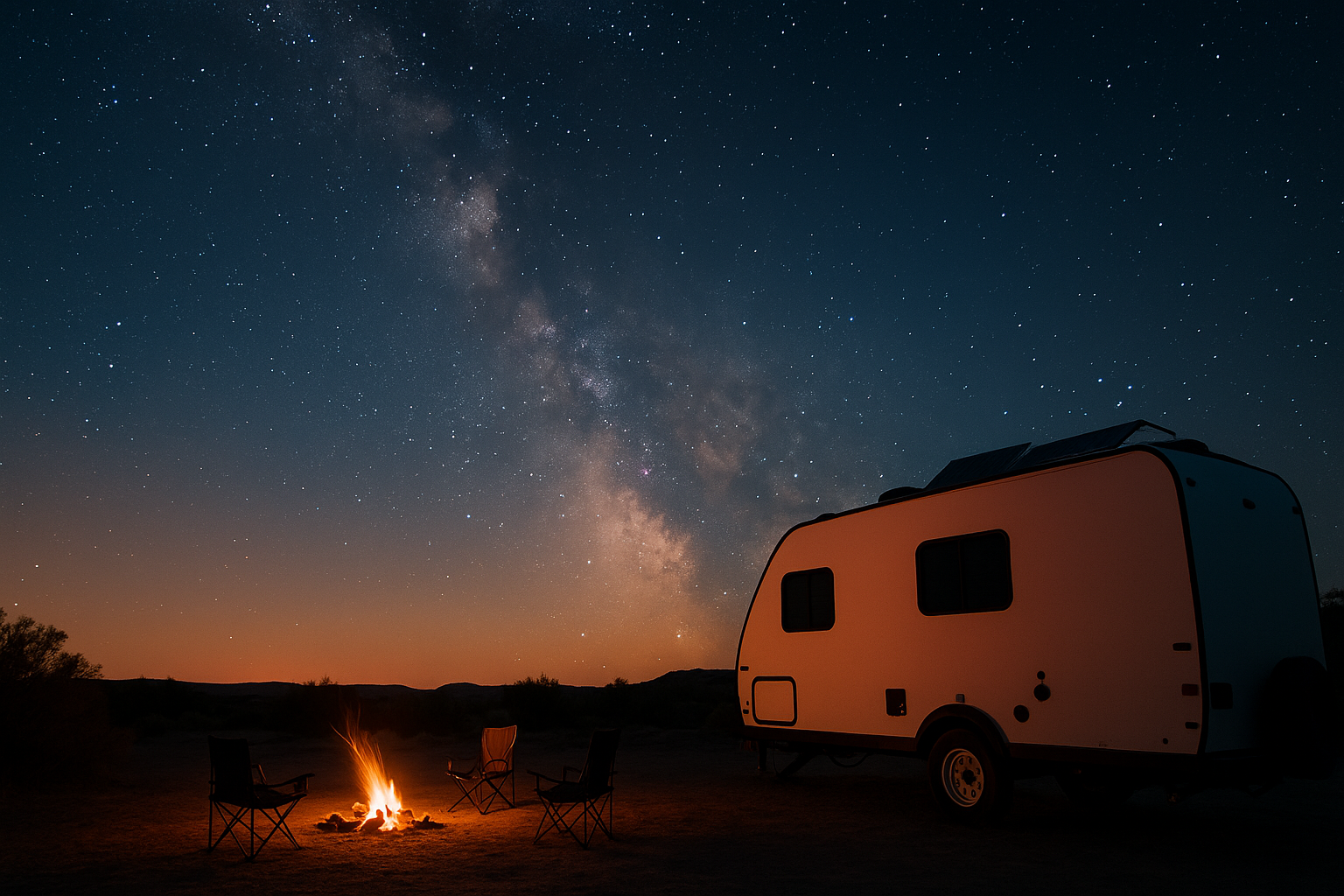
Earlier this year, I was parked out near Summer Lake, watching one of those unreal orange-pink sunsets melt into everything. It was dead quiet. No wind. No traffic. Just that kind of silence you only get way out in the Oregon desert.
Then…
BWWWWWAAAAAAAAPPPPPP-PP-PP-PP-PP.
My neighbor pulled the recoil on an open-frame generator, fired it up, and settled in for the night. And it never shut off. Not once. That thing chugged along until sunrise.
Eventually, I wandered over to make sure everything was okay. Turns out, he had a CPAP machine and absolutely no battery to run it. His only option was to run the generator all night. He felt terrible, but he didn’t have a choice. He slept great. Everyone around him? Not so much.
And that moment stuck with me. Not because the guy did anything wrong — he was trying to breathe safely — but because it didn’t have to be that way.
CPAP Use Is Rising — And Campers Need Better Power Solutions
Every year, more RVers and campers are diagnosed with sleep apnea and prescribed a CPAP. Many of those same people still want to adventure, boondock, or dry camp. The problem is:
- CPAP machines usually need a consistent 12V or 110V supply
- Many CPAP users run them 6–10 hours straight
- Most RV batteries aren’t designed for extended overnight loads
- And “solar ready” doesn’t always mean “CPAP ready”
This is where people get stuck.
And where the generator comes out.
Generators are fine when you need them — but running one all night is loud, fuel-heavy, and honestly, not great campground etiquette.
The good news?
You absolutely can run a CPAP off a properly built RV electrical system without waking up the entire county.
What You Actually Need to Run a CPAP Off-Grid
Over the years, I’ve helped tons of CPAP users build systems that work silently through the night. And the setup doesn’t have to be complicated.
Here’s what makes the biggest difference:
1. A Lithium Battery Bank
Lithium batteries (LiFePO4) handle long, steady draws way better than lead acid batteries. A single CPAP can usually run all night on 100Ah–150Ah, depending on:
- Whether the humidifier is running
- Model/brand of CPAP
- Voltage converter used
- Ambient temperature
If you’re full-time, 200Ah–400Ah is the sweet spot.
2. Solar Input That Actually Recharges What You Used
A CPAP running from 10pm to 6am can easily drain 40–60Ah.
Your solar needs to replace that daily, or you end up playing catch-up.
For most CPAP users:
200W–400W of solar is a great starting point.
3. A Quality Inverter or a 12V Adapter
Some CPAPs run better on a dedicated 12V adapter instead of 110V AC.
This reduces power consumption noticeably.
4. A Smart Charge Controller
This keeps your battery healthy and ensures your CPAP has stable, clean power all night.
When these four pieces work together, you get quiet, consistent sleep without touching a generator.
The Real Benefit: Quiet Camping for Everyone
When you have a system built for overnight loads, you get:
- Peace and quiet
- No more waking your neighbors
- No more draining your battery unexpectedly
- No need to “baby” your system
- The freedom to camp where you want, not just where there’s hookups
And if I’m being honest… you gain confidence.
Nothing’s worse than wondering, “Will my battery die in the middle of the night?”
If You Use a CPAP and Love Camping — There’s a Better Way
Whether you’re in a trailer, fifth wheel, truck camper, rooftop tent setup, or van, we can design a solution that keeps your CPAP running silently all night long.
Here’s what I usually do for CPAP users:
🚐 Free Consultation & System Walkthrough
We go over your CPAP model, usage habits, and camping style.
🔋 Custom Battery + Solar Sizing
You’ll know exactly what size system you need — no guessing.
⚡ Installation + Hands-On Training
I show you how to use everything, monitor your system, and stay fully powered without running a generator.
☀️ Options for Any Budget
From plug-and-play portable power stations to full Victron systems.
You don’t have to be the guy at Summer Lake running a generator until dawn.
You can sleep comfortably, breathe easily, and keep the night quiet for everyone — including yourself.
If you want help designing the right setup for your CPAP-friendly solar system, I’m here to help. Just reach out, and we’ll walk through what you have and what you want to accomplish.
Breathe easy — even off-grid.
Solar Powered
Sustainable Off-Grid RV Solar Solutions
Designing, installing, and optimizing custom RV solar solutions for efficient, green, off-grid experiences.


