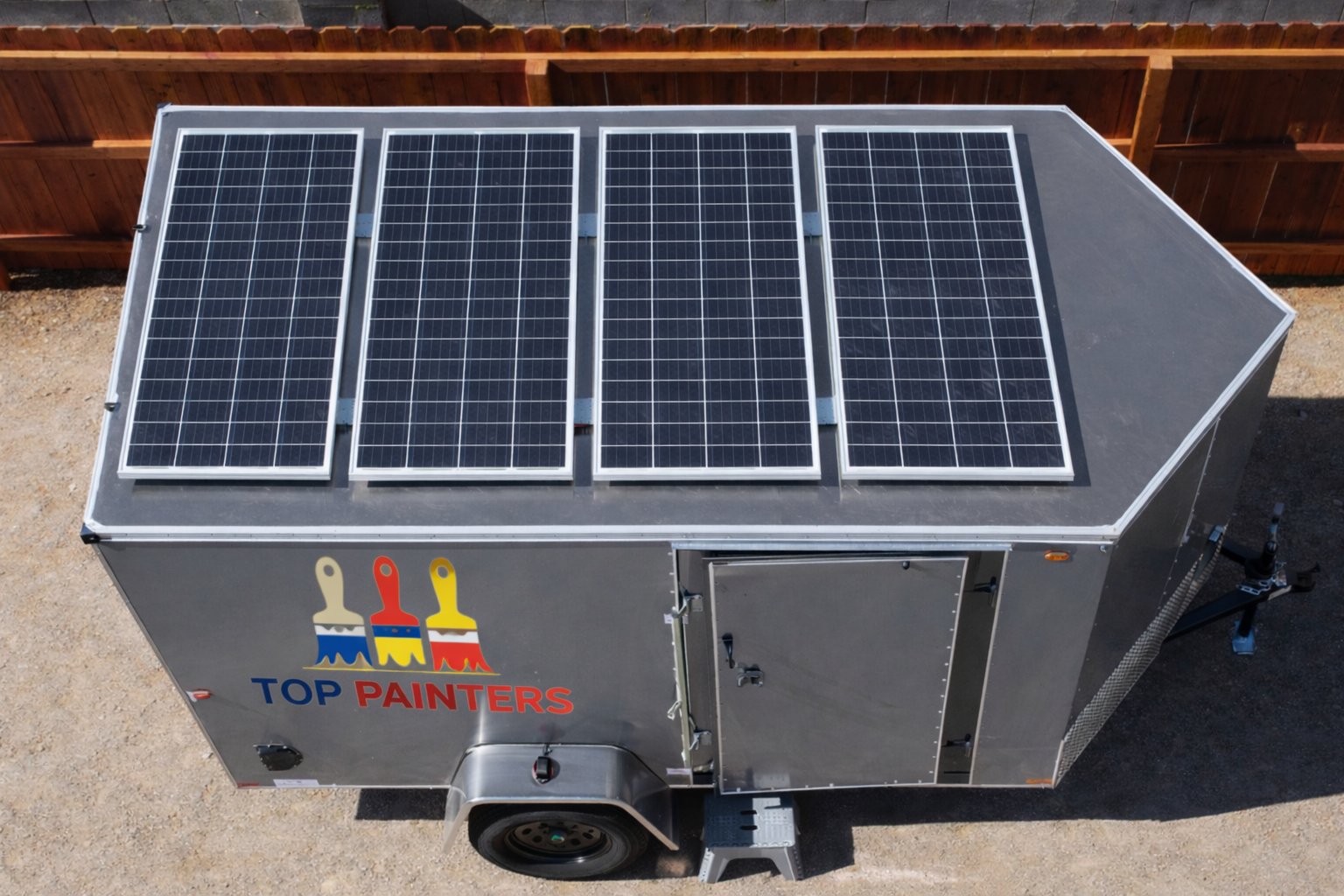

Utility Trailer vs RV Electrical Systems: Key Differences That Matter
At first glance, utility trailer electrical systems and RV electrical systems look similar. Both can use batteries, inverters, and solar. However, they are built for very different jobs. Because of that, the design rules change.
In this guide, you’ll learn the key differences between utility trailer vs RV electrical systems. You’ll also see why using the wrong approach can cost you money, time, and reliability.
Different Trailers, Different Power Goals
RV electrical systems are built for comfort and convenience. In contrast, utility trailer power systems are built for work. As a result, the priorities are not the same.
RV systems typically prioritize:
- Interior comfort and convenience
- Light-duty appliance use
- Campground shore power compatibility
Utility trailer systems typically prioritize:
- High-duty-cycle power delivery
- Tool and equipment reliability
- Off-grid performance
- Scalability for future expansion
Electrical Load Profiles Are Not the Same
Next, think about how power is used. In an RV, many loads run in short bursts. For example, a microwave might run for a few minutes. On the other hand, work trailers often run equipment for hours.
Common RV loads include:
- TVs and small electronics
- Microwaves and coffee makers
- Occasional small air conditioners or heaters
Common utility trailer loads include:
- Power tools and battery chargers
- Air compressors and specialty equipment
- Refrigeration or cold storage
- Starlink and communications gear
- Continuous lighting and work loads
Because these loads are heavier and longer, they stress batteries, inverters, and wiring more. Therefore, the system must be designed for sustained output, not just peak wattage.
Battery System Design Differences
Battery sizing is another major difference. Many RV systems use smaller banks because loads are lighter and shore power is common. Meanwhile, utility trailer systems often need more usable capacity.
Utility trailer battery systems often require:
- Larger lithium battery capacity
- Higher discharge current capability
- Better heat management and airflow
- Accurate battery monitoring
In other words, a battery setup that feels “fine” in an RV can become a bottleneck in a work trailer. That’s especially true when charging tool batteries all day.
Inverter and Charging Architecture
Now let’s talk about inverters and charging. RV inverter systems are often sized for convenience loads. However, utility trailer inverters must support real jobsite demand.
Utility trailer inverter systems are typically designed to:
- Support sustained high-power loads
- Handle surge currents from tools and compressors
- Integrate solar, shore power, and generators cleanly
If the inverter is undersized, you’ll see nuisance shutdowns. If charging is poorly designed, you’ll get slow recovery times. Either way, productivity drops.
DC Distribution and Safety
Many RV systems evolve over time. People add accessories, run new wires, and tap into existing circuits. As a result, layouts can get messy.
Utility trailers benefit from a clean, planned DC layout from day one. For example, a proper bus system with dedicated fusing makes troubleshooting faster and safer.
Utility trailer DC systems benefit from:
- Structured DC bus architecture
- Dedicated fused circuits
- Clean cable routing and strain relief
- Clear service access for maintenance
Additionally, good DC distribution makes future upgrades easier. So, instead of rewiring later, you build once and expand cleanly.
Scalability and Expansion
Utility trailers are often upgraded as the business grows. For that reason, the power system should scale with you.
Work-trailer systems are commonly designed with:
- Future solar expansion in mind
- Room for additional battery capacity
- Expandable DC and AC distribution
This approach prevents costly rework. Plus, it keeps the trailer flexible for new tools, new loads, and longer off-grid days.
Why Using an RV Electrical Design in a Utility Trailer Is Risky
It’s tempting to copy an RV-style electrical plan. Still, that shortcut often creates problems later. For example, a system may “work” at first, then struggle under real jobsite use.
Common failure points include:
- Undersized wiring and protection
- Inadequate inverter capacity for tools
- Battery stress and reduced lifespan
- Unreliable off-grid performance
Simply put: what works at a campground doesn’t always work on a job site.
Choosing the Right System From the Start
A reliable utility trailer power system is built around how you actually use the trailer. So, you start with real loads, real runtime, and real charging sources.
Then, you design the system so it performs day after day. As a bonus, a clean design also makes service and expansion easier.
Need a Power System Built for a Utility Trailer?
If you’re planning a utility trailer build or upgrading an existing trailer, we design custom power systems built specifically for real-world work environments.
Explore custom utility trailer power system solutions here
With the right design from the start, you avoid downtime, protect your equipment, and get a system that works when you need it most.


