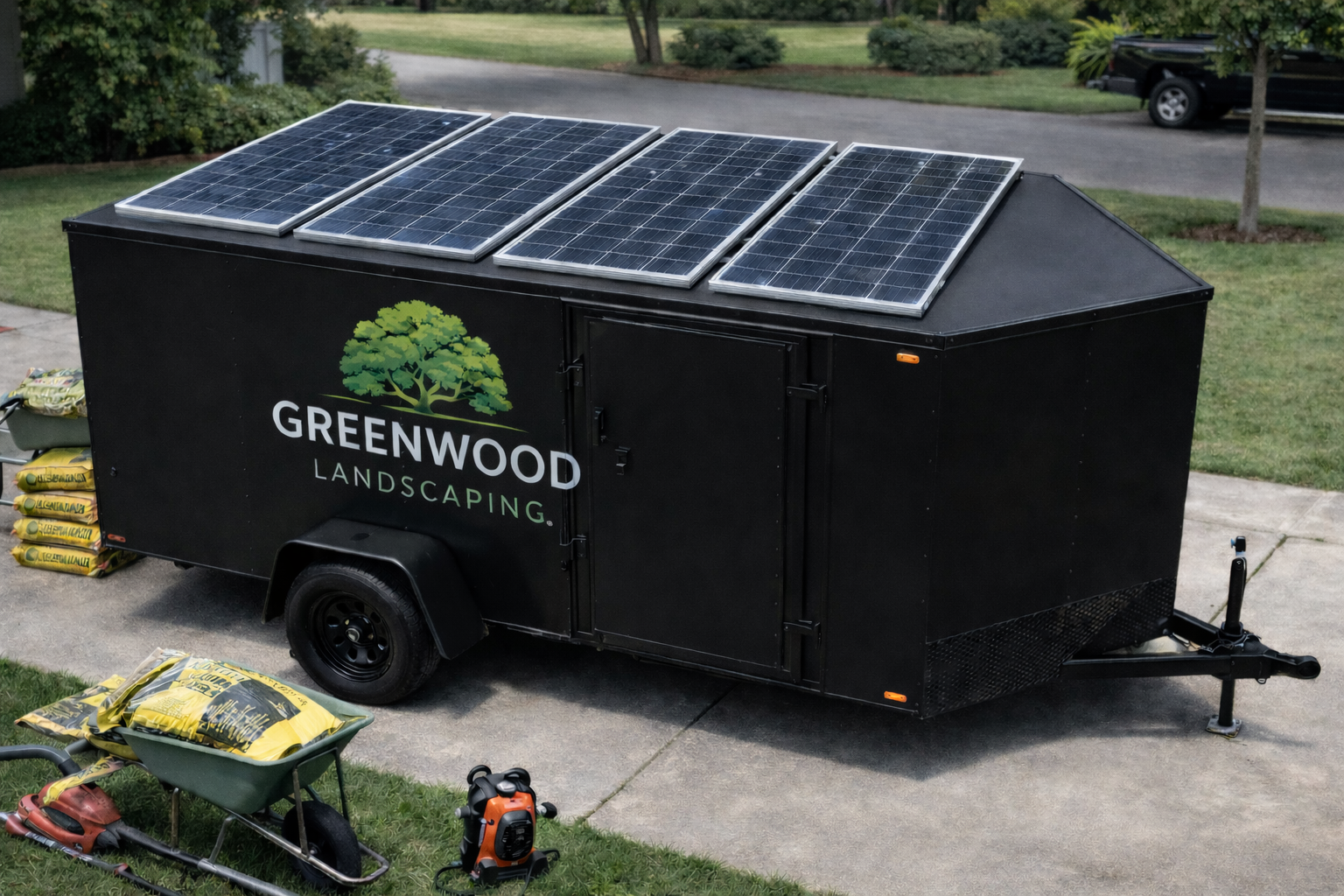

How to Build a Reliable Utility Trailer Power System
Building a reliable utility trailer power system isn’t about buying the most components or copying a setup you saw online. It’s about designing a system that matches how the trailer is actually used—day after day, job after job.
Most power systems fail not because the equipment is bad, but because the system was never planned as a system in the first place.
This article walks through how to think about building a utility trailer power system that works consistently, scales over time, and doesn’t need to be torn apart and rebuilt later.
Step 1: Define What the Trailer Needs to Power
Every reliable power system starts with clarity.
Before thinking about solar panels or batteries, you need to answer a few practical questions:
- What tools or appliances need power?
- Are they AC, DC, or both?
- How long are they used each day?
- Do they run simultaneously or intermittently?
- How many days should the system run without sun or shore power?
A utility trailer used to charge cordless tools has very different requirements than one powering refrigerators, microwaves, or mobile office equipment.
Without this clarity, systems are almost always underbuilt or inefficient.
Step 2: Decide How Power Will Be Used and Stored
Once loads are understood, the next decision is how power is delivered.
AC Power vs DC Power
- DC power is efficient and ideal for lighting, fans, electronics, and some refrigeration.
- AC power is necessary for many tools, chargers, and appliances.
Most utility trailer power systems use a mix of both. Designing for that mix from the beginning avoids cluttered wiring and unnecessary conversion losses.
Battery Storage Is the Foundation
Batteries determine how usable a system actually is.
A reliable utility trailer power system prioritizes battery capacity because:
- Solar production is variable
- Work schedules don’t wait for perfect weather
- Surge loads require stored energy
Undersized batteries are the most common reason systems feel unreliable—even when solar panels are present.
Step 3: Match Solar to Realistic Energy Use
Solar panels should support the battery system—not the other way around.
A common mistake is trying to “solve everything” with solar alone. In reality:
- Solar replaces energy used each day
- Batteries handle demand and timing
- The system works best when both are balanced
For utility trailers, roof space is often limited, so panel placement, orientation, and wiring matter more than raw wattage numbers.
Step 4: Build Electrical Protection Into the Design
Reliable systems are safe systems.
That means:
- Proper DC fusing near batteries
- Clean separation of AC and DC circuits
- Correct wire sizing
- Secure mounting of components
Skipping protection may save time initially, but it almost always leads to troubleshooting, downtime, or component failure later.
Step 5: Plan for Expansion From the Start
Utility trailers evolve.
What starts as a tool-charging setup may later include:
- Refrigeration
- Additional outlets
- Office equipment
- Longer off-grid runtime
A well-designed power system allows you to:
- Add batteries
- Increase solar capacity
- Integrate shore power or vehicle charging
without redoing the entire electrical layout.
Common Mistakes When Building Utility Trailer Power Systems
Copying RV or Van Builds
Utility trailers operate differently. Designs meant for RVs often fail to meet jobsite demands.
Overspending on the Wrong Components
Buying large inverters without adequate battery support leads to frustration and short runtimes.
Ignoring Duty Cycles
Tools may only run briefly, but chargers and appliances often run longer than expected.
Treating the System as “Temporary”
Temporary systems tend to become permanent—and permanent problems.
Jobsite Trailers vs Off-Grid Living Trailers
The use case may differ, but the design principles don’t.
Whether a trailer is used for:
- Daily jobsite work
- Remote service calls
- Off-grid living conversions
a reliable system still depends on:
- Accurate load assessment
- Adequate battery storage
- Proper electrical distribution
- Thoughtful expansion planning
When a Hybrid System Makes Sense
Some trailers benefit from combining:
- Solar and battery power
- Shore power when available
- Optional generator backup
Hybrid systems provide flexibility without sacrificing reliability.
The key is integration—not patchwork solutions.
The Bottom Line
A reliable utility trailer power system isn’t built by guessing or copying—it’s built by design.
When power systems are planned around real usage, they:
- Perform consistently
- Last longer
- Feel simple to use
- Scale as needs grow
The difference between frustration and confidence is almost always the design phase.
Planning Power for a Utility Trailer?
If you’re considering a power system for a utility trailer and want it designed to match how you actually work or live, this page explains how we approach both jobsite and off-grid trailer builds:
Utility Trailer Solar Power Systems
Next up: Blog #3 — Jobsite Trailer Power Without a Generator


